How to Balance Dance with Other Life Responsibilities
Finding a balance between pursuing your passion for dance and managing daily life responsibilities can be challenging. This article explores effective strategies to harmonize your love for bachata and salsa with other obligations.
Understanding the Importance of Balance
According to research published in the Journal of Dance Medicine & Science, engaging in dance not only enhances physical health but also contributes to emotional well-being. However, many individuals often struggle to integrate dance into their busy schedules. Experts suggest that finding a balance is key to sustaining long-term engagement in dance activities.
"Maintaining a balance between personal passions and responsibilities can lead to improved overall well-being and satisfaction." - Dance Wellness Expert
Strategies for Balancing Dance and Life
- Set Realistic Goals: Identify specific dance-related goals that align with your lifestyle. For instance, committing to attend one class per week can be more manageable than aiming for daily sessions, especially if your schedule is tight.
- Schedule Dance Time: Treat dance practice like any other important appointment. Block out time on your calendar. Research indicates that having a defined schedule can increase adherence to activities by up to 50%.
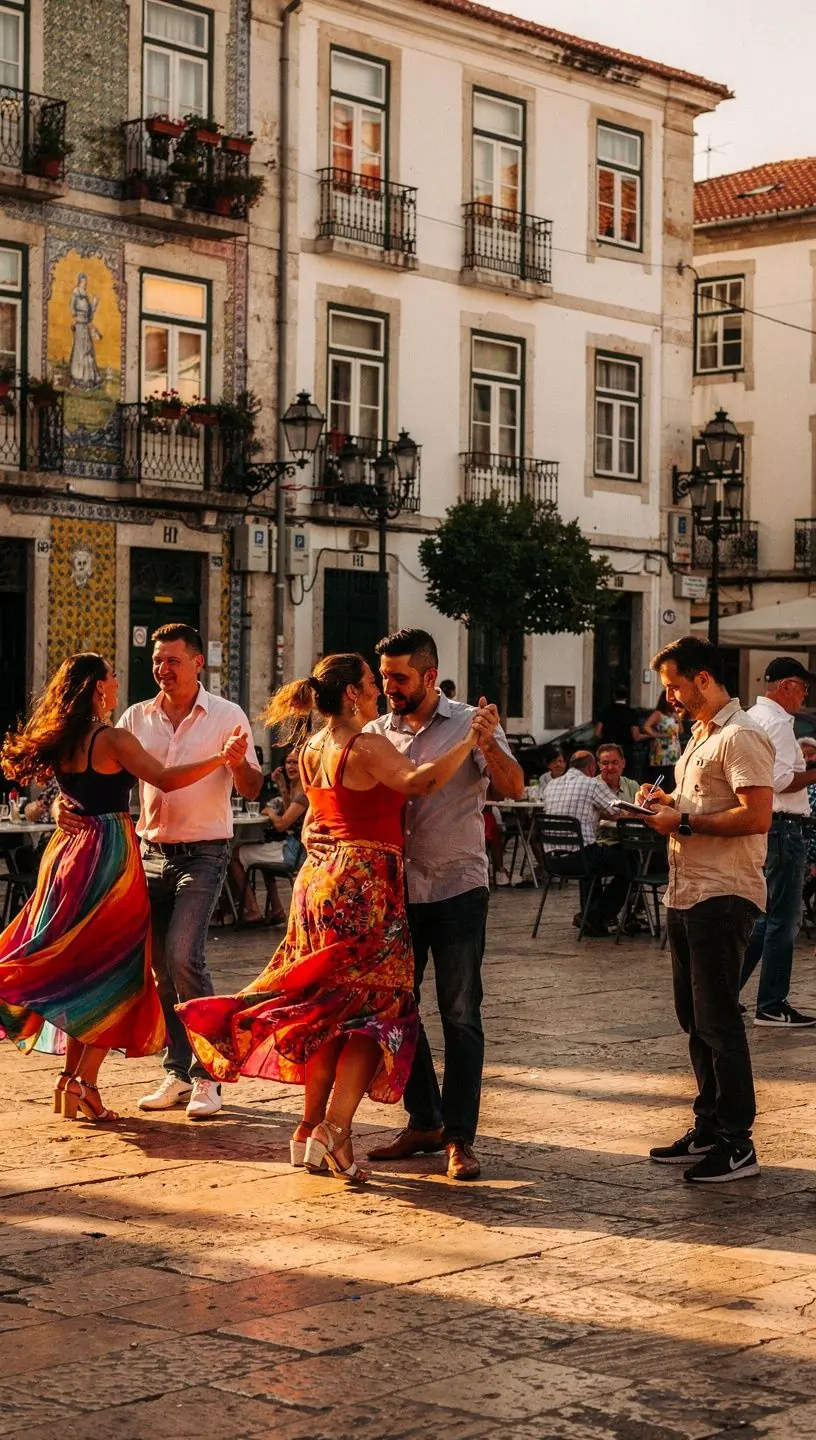
- Combine Responsibilities: Look for opportunities to blend family time or social interactions with dance. Many users report that attending dance meetups or social gatherings can fulfill both social and dance commitments.
Understanding the Commitment Required
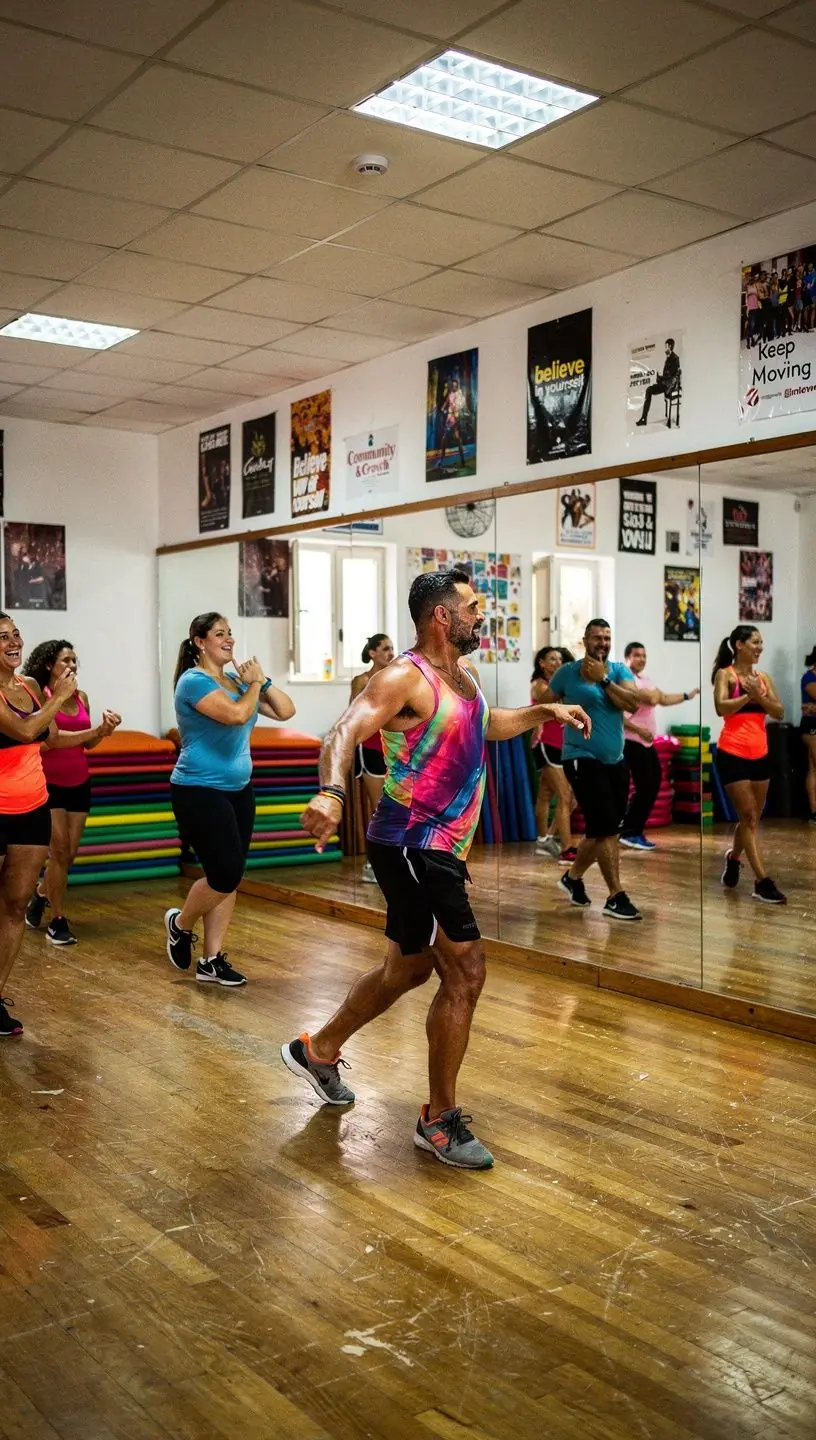
Engaging in dance typically requires dedication and consistent effort. The learning curve can vary based on your previous experience, and progress may take time. In many cases, individuals see improvements in their skills after participating in regular classes for about 4-6 weeks. This works best when coupled with a supportive environment, such as joining a local dance community or finding a dance partner.
Benefits of Dance Beyond the Floor
Studies show that balancing dance with life responsibilities can lead to several positive outcomes:
- Improved Mental Health: Dance can serve as an effective stress relief tool, decreasing anxiety and enhancing mood. Regular participation has been linked to higher levels of happiness and satisfaction.
- Enhanced Physical Fitness: Maintaining a balance can help you stay active, improving your cardiovascular fitness and overall health.
- Social Connections: Engaging in dance activities often leads to forming new friendships and connections, enriching your social life.
Conclusion
Striking a balance between dance and other life responsibilities is achievable with thoughtful planning and commitment. By setting realistic goals, scheduling dedicated time, and integrating dance into social settings, you can enjoy the benefits of dance without compromising other important areas of your life. Remember, the journey to balance is unique for everyone, and finding what works for you is key to sustaining your passion for dance.
Learn More