How to Create Inclusive Dance Spaces for All Ages
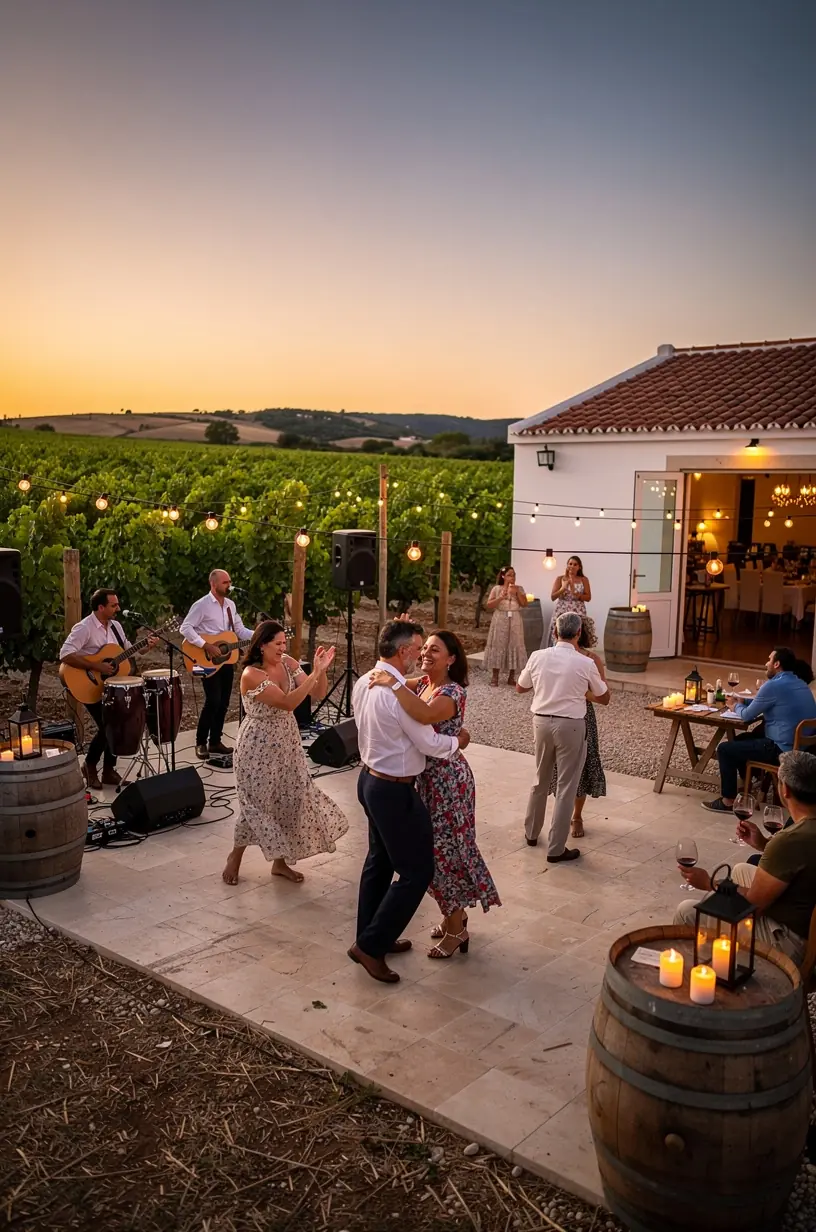
Creating inclusive dance spaces is essential for fostering community, especially in vibrant dance styles like bachata and salsa. This article explores effective strategies for developing welcoming environments that cater to all ages and skill levels.
Understanding the Importance of Inclusivity
Inclusive dance spaces are vital because they allow individuals from different backgrounds and age groups to connect through movement. According to research by the National Dance Education Organization, inclusive environments enhance social interaction and promote physical well-being, which is beneficial for individuals typically aged from children to seniors.

"Creating an inclusive environment not only enriches the dance experience but also builds a stronger community." — Dance Educators Association
Key Elements of Inclusive Dance Spaces
To develop spaces that welcome everyone, consider the following principles:
- Accessibility: Ensure that your venue is physically accessible to all. This includes wheelchair ramps, proper signage, and clear pathways. According to industry standards, venues should accommodate individuals with disabilities to foster wider participation.
- Diverse Programming: Offer a variety of dance styles and levels. Research indicates that participants often feel more engaged when they can choose from different classes tailored to their abilities and interests.
- Community Engagement: Involve local communities in planning and feedback. Many users report feeling more connected when they have a voice in the programming and atmosphere of the space.
Implementing Effective Coaching Strategies
Coaching plays a crucial role in making dance spaces inclusive. Here are effective strategies:
- Adapt Teaching Styles: Coaches should adapt their teaching methods to accommodate varying learning styles. This may involve using visual aids, demonstrations, and individual feedback.
- Encourage Peer Support: Encourage experienced dancers to mentor newer participants. This approach not only fosters a sense of community but can also enhance learning outcomes.
- Promote a Positive Atmosphere: Create an environment where mistakes are seen as part of the learning process. Experts recommend fostering a positive mindset to reduce pressure on participants and enhance enjoyment.
Challenges and Limitations
While creating inclusive spaces is beneficial, it is important to acknowledge potential challenges:
- Time Commitment: Developing inclusive programs typically takes 2-4 months to implement effectively, as it requires initial planning and community outreach.
- Continuous Effort: Maintaining an inclusive atmosphere requires ongoing training for instructors and regular feedback from participants.
- Resource Allocation: Budgeting for necessary resources, such as accessibility features or special instructors, may be challenging but is essential for success.
Conclusion
Creating inclusive dance spaces for all ages not only enhances the dance experience but also fosters community connection and personal growth. By focusing on accessibility, diverse programming, and effective coaching strategies, you can develop environments that invite everyone to join in the joy of dance. While challenges may arise, the rewards of inclusivity create lasting impacts for all involved.
Learn More