
The Health Benefits of Regular Dance Practice
Engaging in dance, particularly styles like bachata and salsa, extends beyond mere enjoyment. Regular dance practice can significantly contribute to improved physical and mental health, making it a worthwhile activity for those interested in both fitness and social interaction. In this article, we explore the health benefits that come with consistent dance practice, supported by research and expert recommendations.
Physical Health Benefits
According to a study published in the Journal of Physical Activity and Health, regular physical activity, including dance, can lead to numerous health improvements. These benefits typically include:
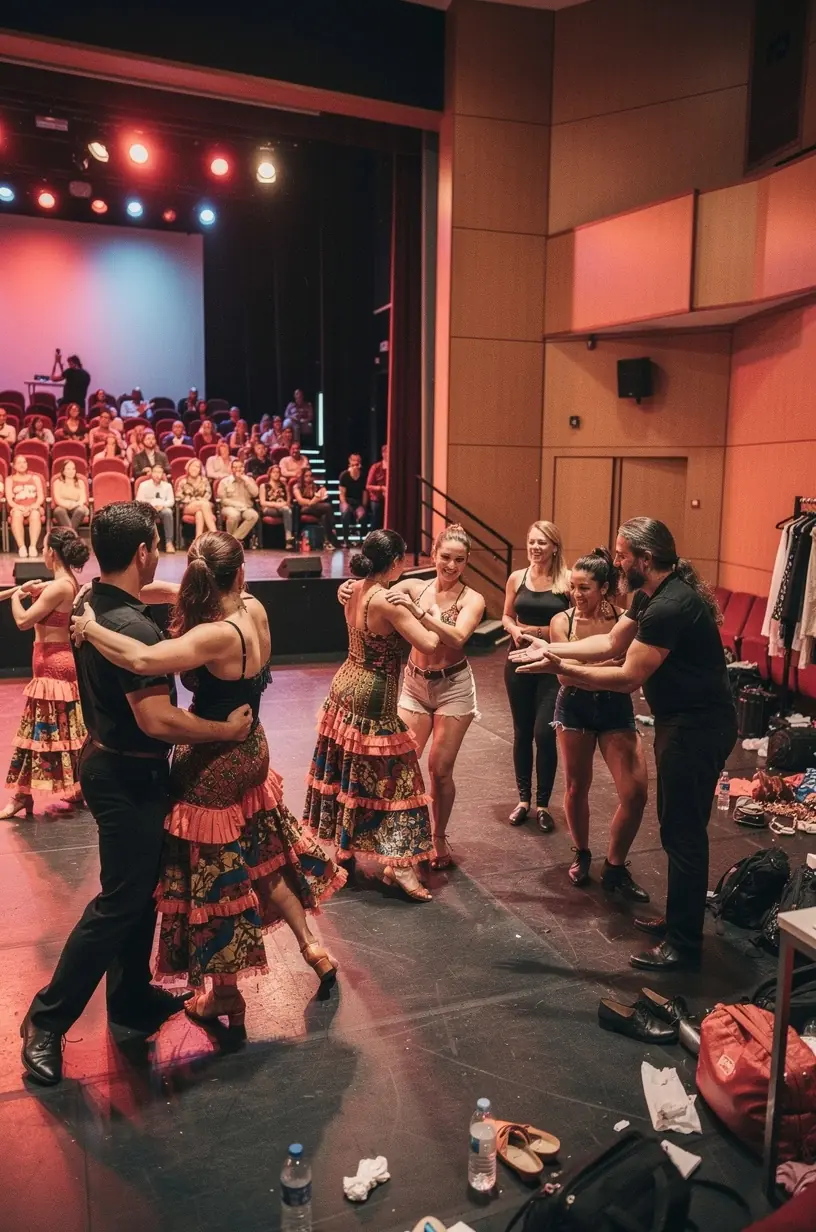
- Cardiovascular Health: Dance is an effective aerobic exercise that can improve heart function. In fact, studies indicate that dancing can enhance cardiovascular endurance and lower the risk of heart disease.
- Weight Management: Regular dance practice can aid in weight loss or management. Many users report burning between 300 to 500 calories per hour, depending on the intensity of the dance.
- Muscle Strength and Flexibility: Dance involves various movements that enhance muscle tone and flexibility. According to fitness experts, these improvements are often noticeable within a few weeks of regular practice.
Mental Health Benefits
Engaging in dance has also been shown to positively impact mental health. Research indicates that participating in activities like salsa and bachata can lead to:
- Reduced Stress and Anxiety: Dancing often promotes relaxation and can decrease levels of cortisol, the stress hormone. Many practitioners report feeling more at ease and less anxious after a dance session.
- Improved Mood: The endorphins released during physical activity, including dance, often result in an uplifted mood. Experts suggest that dancing can be an effective way to combat symptoms of depression.
- Enhanced Cognitive Function: Dance requires both physical and mental coordination, which can help improve cognitive abilities. Studies show that learning new dance routines may increase brain function, particularly in older adults.
Social Benefits of Dancing
In addition to physical and mental health benefits, dance serves as a social activity that fosters community and connection:
- Building Relationships: Participating in group dance classes or meetups allows individuals to connect with others, promoting social interaction and a sense of belonging.
- Improving Communication Skills: Dance often involves non-verbal communication, which can enhance interpersonal skills. Many users find that engaging in dance helps them feel more confident in social settings.
- Creating a Supportive Environment: Regular dance practice in a group setting can create a supportive atmosphere, encouraging individuals to pursue their fitness and social goals.
Setting Realistic Expectations
While the benefits of dance are promising, it's important to acknowledge the time and dedication required to experience these outcomes. Typically, noticeable improvements can take 3-6 months of consistent practice, ideally engaging in dance sessions at least twice a week. Remember, results may vary based on individual commitment and previous experience in dance.
"Dancing is not just about the movements; it's about the joy and community that comes with it." - Dance Expert
Conclusion
Regular dance practice, particularly in styles such as bachata and salsa, can profoundly benefit physical, mental, and social well-being. By understanding the science behind these benefits and setting realistic expectations, individuals can incorporate dance into their lives as a reliable approach to improve overall health. Whether you're interested in joining a local dance hub or simply dancing with friends, embracing dance can be a rewarding experience.
Learn More