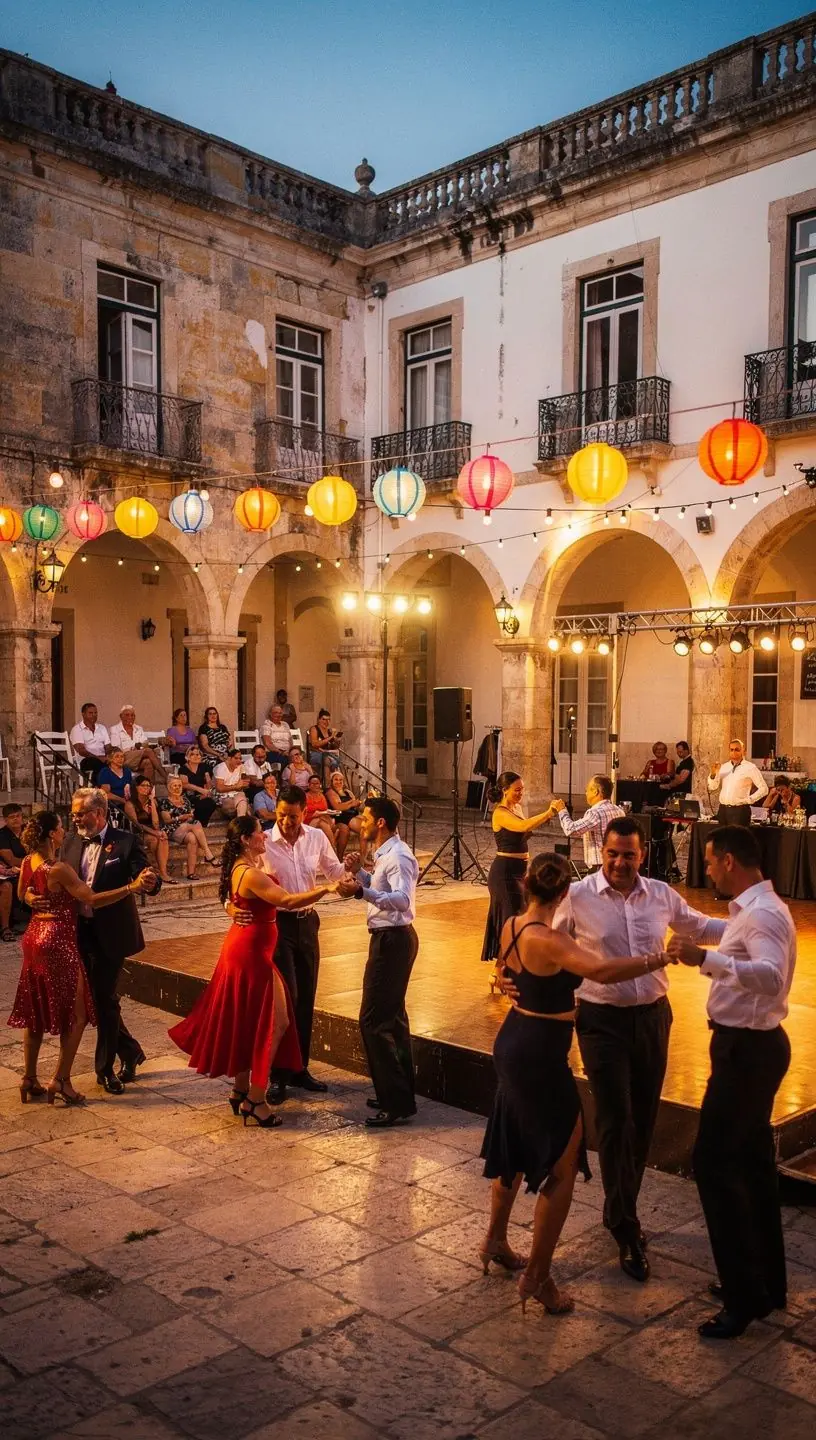
Incorporating Mindfulness Techniques in Dance Practice
In the vibrant world of dance, combining physical movement with mindfulness can enhance both performance and personal enjoyment. This article explores effective ways to integrate mindfulness into your dance practice, particularly in bachata and salsa, providing you with tools to enrich your learning experience.
Understanding Mindfulness in Dance
Mindfulness, at its core, is the practice of being present in the moment. According to research, incorporating mindfulness techniques into physical activities can significantly improve focus and emotional expression. In dance, this translates to a deeper connection with the music and enhanced movement quality. Experts recommend that dancers engage in mindfulness practices to facilitate a more enriching dance experience.

"Mindfulness can transform your dance practice, allowing for greater creativity and emotional expression." - Dance Psychology Expert
Benefits of Mindful Dancing
Research indicates that dancers who practice mindfulness typically experience:
- Improved Concentration: Dancers report heightened focus, allowing for better retention of choreography and greater responsiveness to partners.
- Enhanced Emotional Connection: Mindfulness helps dancers connect with their emotions, which can lead to more expressive performances.
- Reduced Anxiety: Mindfulness techniques can reduce performance anxiety, enabling dancers to enjoy their practice more fully.
Practical Mindfulness Techniques for Dancers
Incorporating mindfulness into your dance practice involves simple yet effective techniques:
- Breath Awareness: Begin each practice with a few minutes of breath-focused meditation. This typically takes 5-10 minutes and helps ground you in the present moment.
- Body Scan: Before dancing, perform a brief body scan. Close your eyes and mentally check in with each part of your body. This process highlights areas of tension, allowing you to move with greater ease.
- Mindful Movement: While practicing steps, focus solely on the sensations of movement, sound, and music. This involves dedicating practice time to just one element of your dance, which may lead to deeper learning.
Setting Realistic Expectations
While incorporating mindfulness can offer numerous benefits, it's essential to acknowledge the commitment involved. Regular practice is key—many users find that consistent mindfulness techniques take time to integrate into their routine. Typically, dancers may notice improvements within a few weeks, but significant changes often require several months of dedicated practice. Remember, mindfulness is a journey, not a destination.
Conclusion
Integrating mindfulness into your dance practice can enhance your experience and performance in bachata and salsa. By focusing on your breath, developing body awareness, and engaging in mindful movement, you can create a more fulfilling dance journey. While results may vary, many dancers find that these techniques lead to improved concentration, emotional expression, and overall enjoyment in their craft. Embrace this approach and witness how it transforms your dance practice.