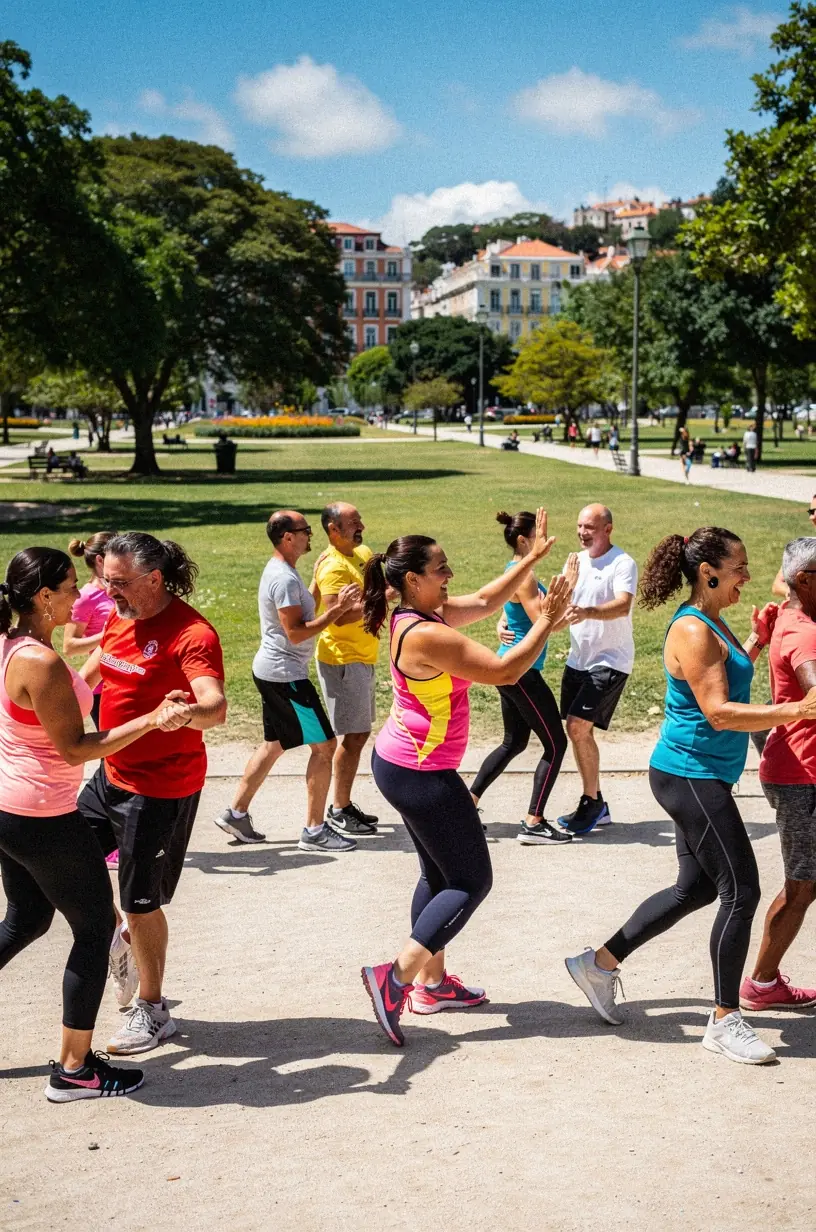
The Psychological Impact of Learning New Dance Styles
Dancing has long been recognized as a powerful form of expression, but it also carries significant psychological benefits. Learning new dance styles, such as bachata and salsa, can foster personal growth, boost confidence, and improve mental well-being. This article explores the psychological impact of engaging in dance, particularly within structured environments like coaching hubs combined with social meetups.
Understanding the Psychological Benefits of Dance
According to various research studies, engaging in dance can create a positive shift in mental health. The act of learning a new dance style typically enhances mood, reduces anxiety, and can even alleviate symptoms of depression. This is largely because dance fosters a sense of accomplishment and encourages social interaction, both of which are crucial for mental well-being.

"Research indicates that physical activity, including dance, can improve mood and reduce stress, leading to significant psychological benefits for participants."
How Dance Affects the Brain
Learning new dance styles involves complex motor skills and cognitive functions. This works because:
- Neuroplasticity: Engaging in dance stimulates the brain, enhancing neuroplasticity—the brain's ability to reorganize itself by forming new neural connections. This not only improves physical coordination but also boosts cognitive functions, such as memory and problem-solving.
- Emotion Regulation: Dance often requires individuals to express and manage their emotions. Research shows that this emotional engagement can lead to improved emotional resilience over time, making individuals better equipped to handle stress.
- Social Connections: Participating in dance classes or meetups fosters social interactions, which are essential for mental health. Many users report that feeling connected to a community can significantly enhance their overall happiness and sense of belonging.
Realistic Expectations When Learning Dance
While the benefits of dance are widely acknowledged, it’s essential to set realistic expectations regarding the learning process:
- Learning a new dance style typically requires dedication and consistent practice, often taking several weeks to master basic techniques.
- New dancers may encounter a learning curve, which can involve moments of frustration or self-doubt. Experts recommend being patient and persistent to overcome these challenges.
- Results in terms of confidence and skill improvement generally become more pronounced over a few months of regular participation in classes or meetups.
Conclusion
Engaging in the dance community through organized meetups and coaching can provide various psychological benefits, from enhancing mood to improving emotional resilience. While learning new dance styles requires time and effort, the rewards are often profound. By understanding how and why dance impacts our minds, individuals can approach their dance journey with realistic expectations and a greater appreciation of its value for mental well-being.
Learn More