The Cultural Significance of Bachata and Salsa in Portugal
Bachata and salsa have evolved from their roots in the Caribbean to become vibrant elements of cultural expression across the globe, including Portugal. This article explores the significance of these dance forms in Portuguese culture, their impact on social interactions, and how they contribute to the community.
Understanding the Roots
Bachata originated in the Dominican Republic, characterized by its romantic themes and intricate footwork, while salsa, with its origins in Cuba, is known for its lively rhythms and complex turns. According to cultural studies, these dance forms not only represent musical genres but also serve as vehicles for cultural storytelling and identity.
"Both bachata and salsa are more than just dance; they are expressions of history, emotion, and community." – Cultural Expert
The Growth of Dance Culture in Portugal
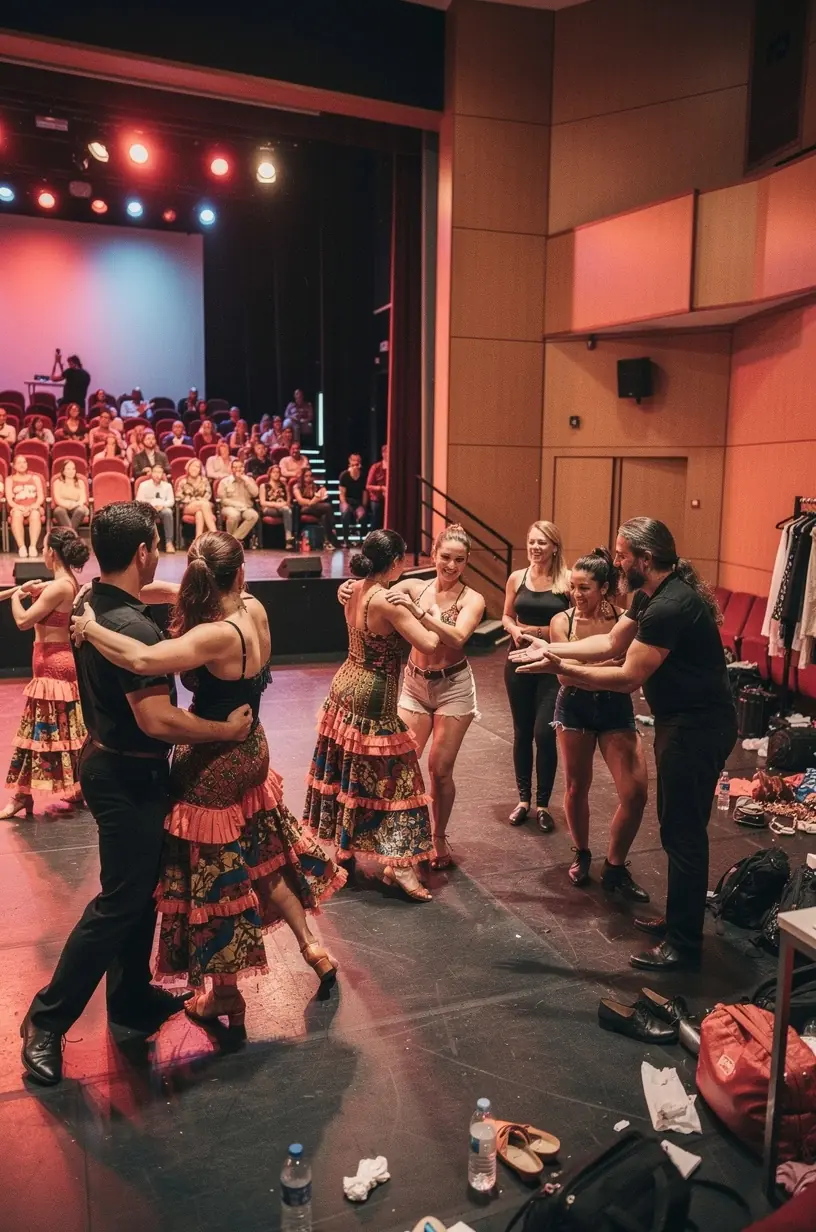
In recent years, Portugal has seen a surge in interest in both bachata and salsa. Many dance studios and community centers have incorporated these styles into their offerings, tapping into the growing demand for interactive cultural experiences. Research indicates that participating in social dance can enhance community ties and foster new friendships.
Why People Are Dancing
- Social Connection: Many users report that dancing bachata and salsa provides a unique opportunity to meet new people and engage with diverse communities.
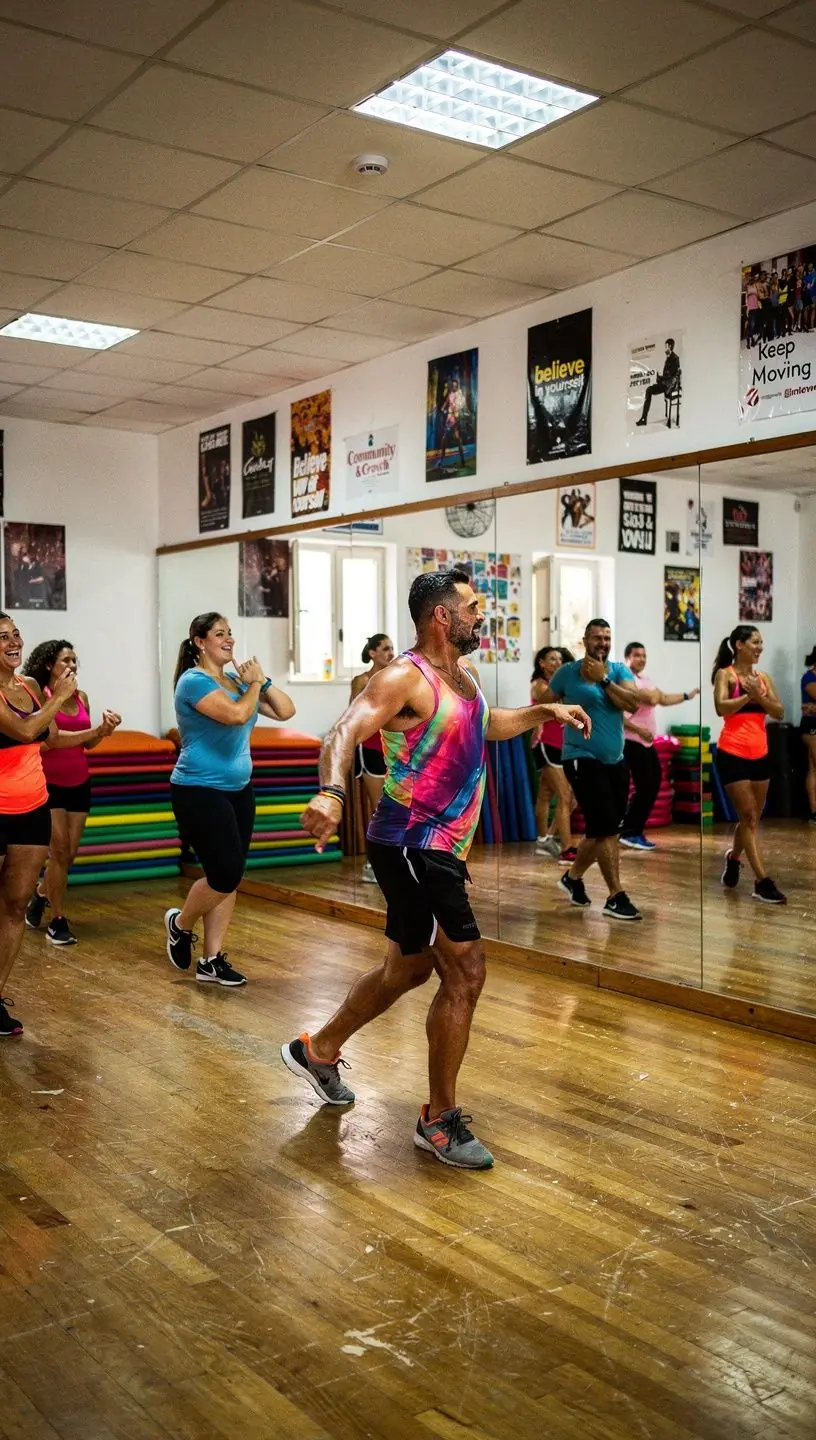
- Health Benefits: Studies show that dancing regularly can improve cardiovascular health, coordination, and overall fitness, making it a popular choice for many individuals.
- Cultural Exchange: According to industry experts, the rise of dance festivals and workshops in cities like Lisbon and Porto encourages a vibrant exchange of cultural practices, enriching the local scene.
How Bachata and Salsa Foster Community
In Portugal, organized meetups and dance events create safe spaces for individuals to express themselves. These gatherings often include coaching sessions that help participants learn and improve their skills. Many instructors emphasize the importance of understanding the cultural context of the dances, which can enhance the learning experience.
"Understanding the cultural background of a dance form adds depth to the learning process and fosters appreciation." – Dance Instructor
Getting Involved
For those interested in joining the vibrant dance community in Portugal, many classes and workshops are available. Typically, beginners can expect to see improvement within a few weeks; however, mastery of the dance forms may take longer and usually requires consistent practice.
Conclusion
Bachata and salsa are more than just dance styles in Portugal; they are important cultural expressions that promote community, health, and social interaction. Engaging with these dance forms can provide an enriching experience and deepen appreciation for their rich cultural heritage. Whether you are a seasoned dancer or a curious beginner, joining a local class can offer both personal enjoyment and a connection to a wider community.
Learn More