Creating a Supportive Environment for Dance Learners
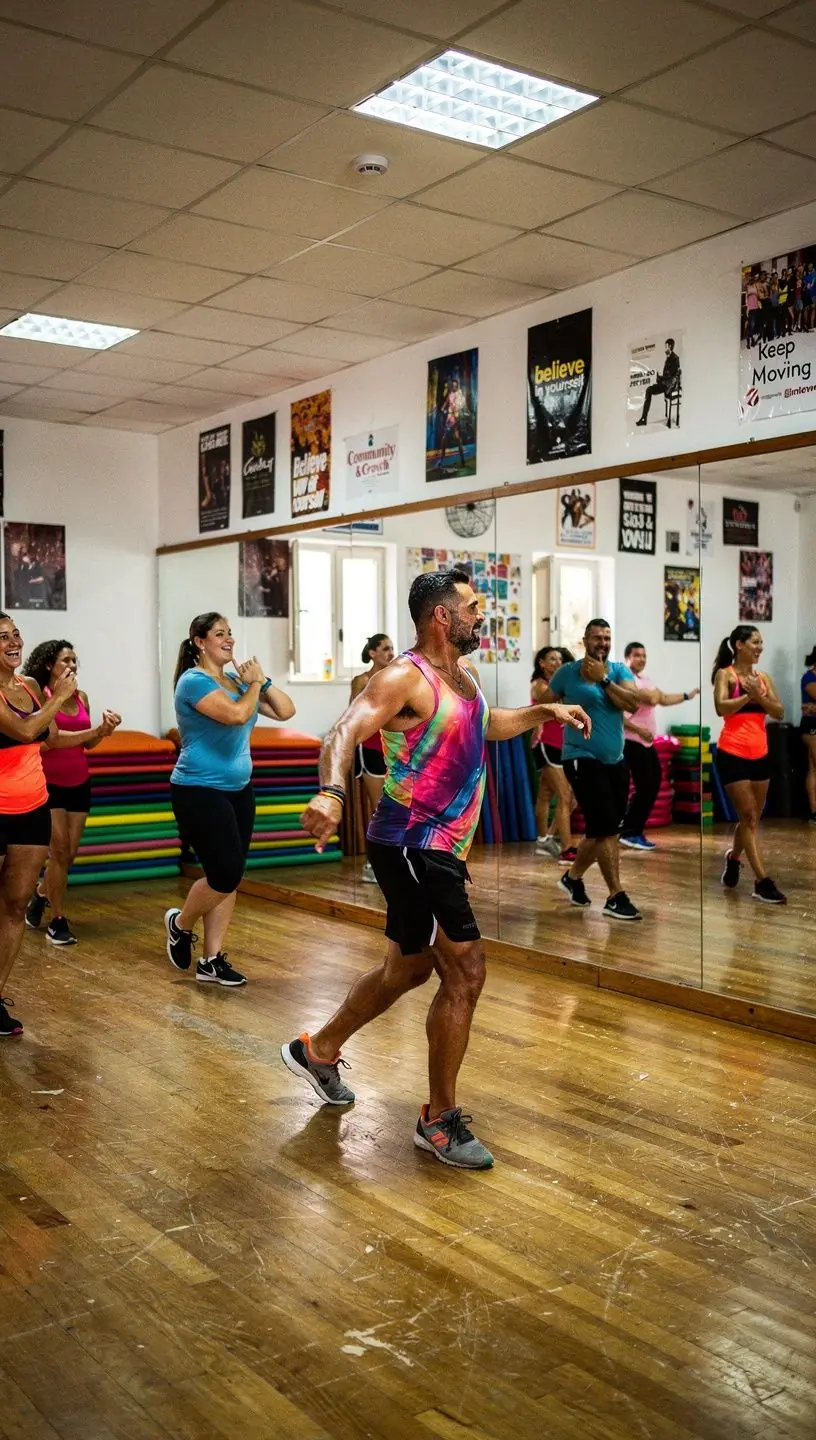
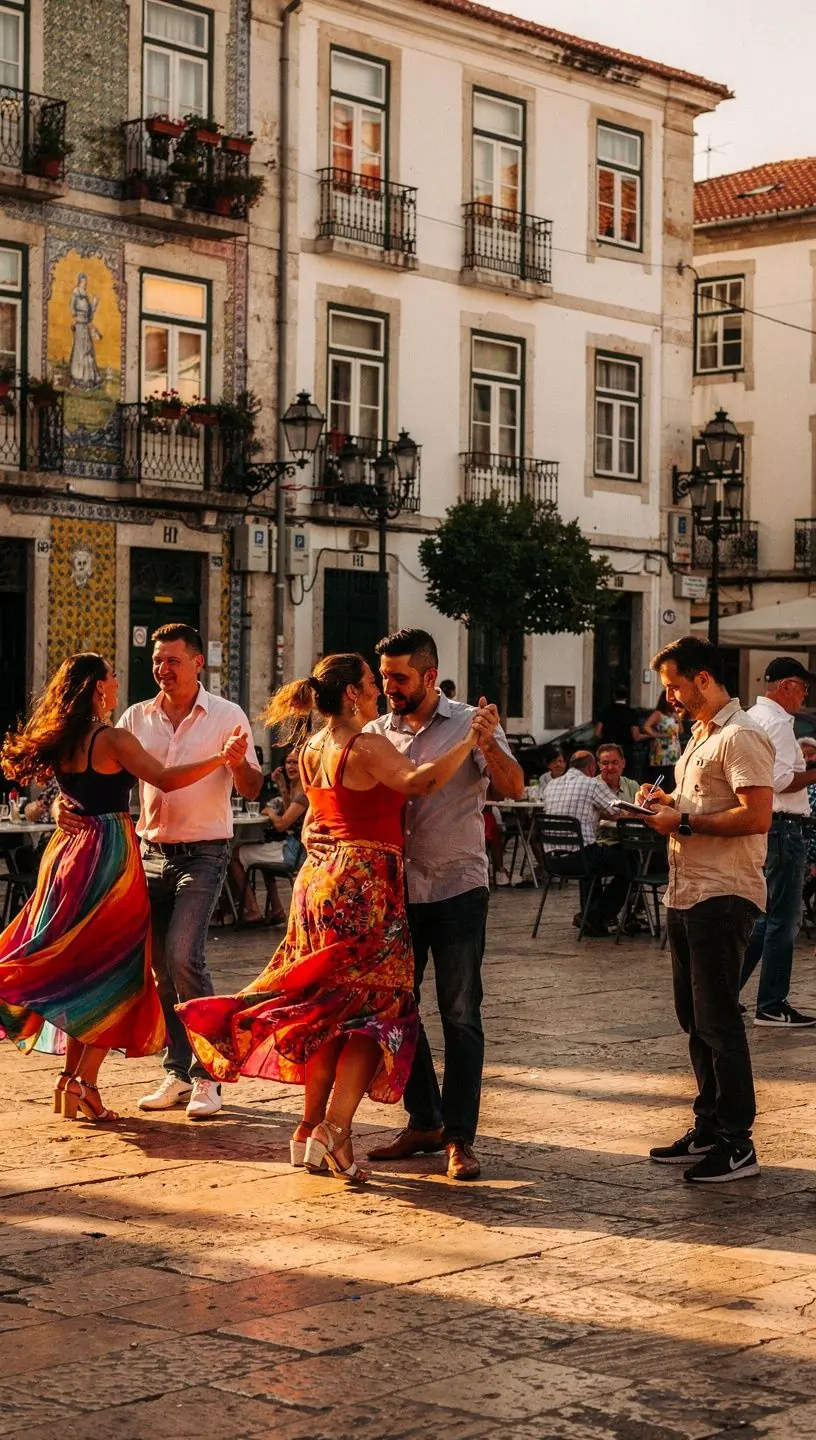
Creating a supportive environment is crucial for dance learners, particularly in styles such as bachata and salsa. This article will explore the key elements that contribute to a nurturing space for dancers, enabling them to thrive and progress effectively.
Understanding the Importance of a Supportive Environment
A supportive environment in dance learning can significantly impact a dancer's development. According to research, environments that encourage positive feedback and collaboration can enhance learning outcomes by up to 30% in similar educational contexts. This is because learners often feel more motivated and engaged when they are surrounded by support and encouragement.
"A positive learning atmosphere is essential for fostering creativity and self-confidence among dance learners."
Key Elements of a Supportive Dance Community
To foster a supportive atmosphere for dance learners, consider the following elements:
- Constructive Feedback: Providing constructive feedback helps dancers understand their strengths and areas for improvement. Experts recommend balancing critiques with praise to maintain motivation.
- Peer Support: Encouraging collaboration among learners can create a sense of community. Many users report that practicing with peers leads to faster skill acquisition and greater enjoyment.
- Inclusive Atmosphere: An inclusive environment welcomes dancers of all skill levels. Research indicates that diversity in skill levels can enrich the learning experience and foster camaraderie.
Creating Opportunities for Social Interaction
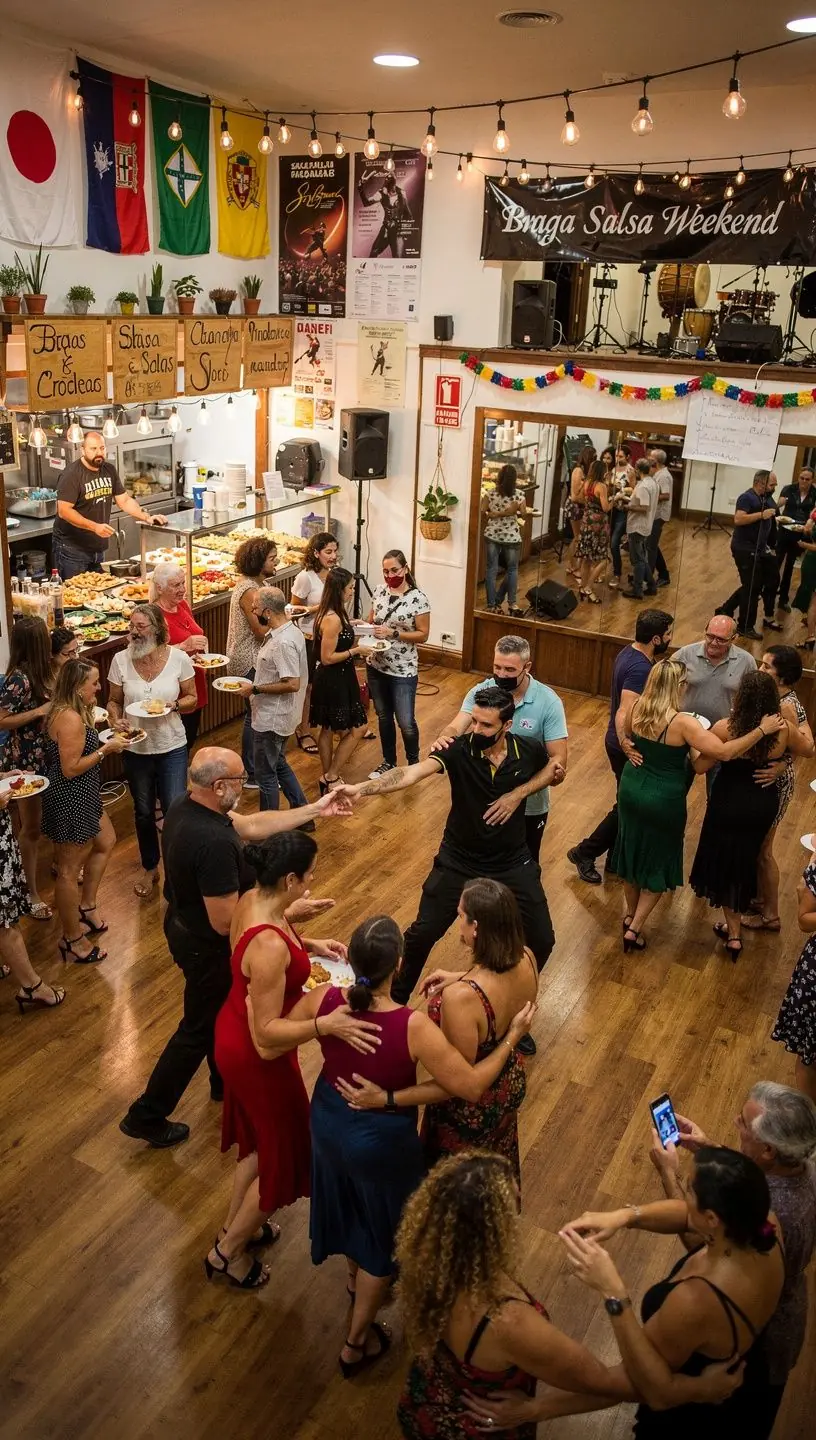
Organized meetups for bachata and salsa can further enhance the supportive environment. These social events not only enable dancers to practice their skills but also help build friendships and networks. Studies show that social interaction in learning contexts can improve retention rates and overall satisfaction.
Types of Meetups to Consider
- Practice Sessions: Regular practice sessions provide dancers with a platform to refine their skills in a relaxed setting.
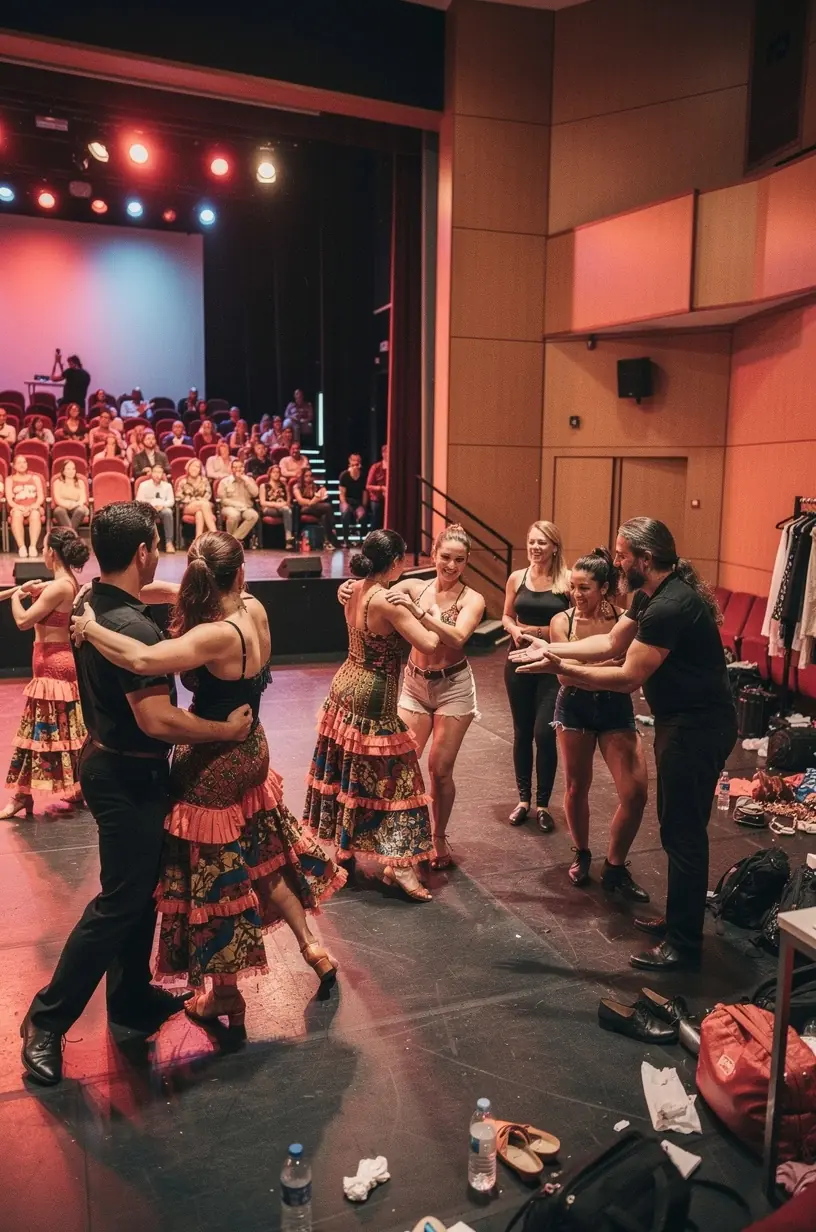
- Workshops: Workshops led by experienced instructors can introduce new techniques and foster a deeper understanding of dance.
- Themed Social Dances: Hosting themed events can encourage participation and create a fun atmosphere where dancers feel comfortable expressing themselves.
Acknowledging Challenges and Limitations
While creating a supportive environment is beneficial, it is important to acknowledge the challenges involved. For example, building trust and rapport among learners typically takes time and commitment. Additionally, some individuals may require specific types of feedback based on their learning styles, which necessitates an understanding of individual needs.
Furthermore, it is essential to recognize that not every approach works for every dancer. This environment may be less effective for individuals who prefer solitary practice or those who thrive on competition rather than collaboration. In most cases, creating a supportive space works best when participants actively engage and contribute to the community.
Conclusion
In conclusion, creating a supportive environment for dance learners is a multifaceted endeavor that involves fostering positivity, inclusivity, and social interaction. By prioritizing these elements, dance communities can enhance the learning experience and help dancers build confidence and skills. Remember, while the journey may take time and effort, the rewards of a nurturing dance environment are well worth it.
Learn More