Understanding Dance Techniques: Bachata vs. Salsa
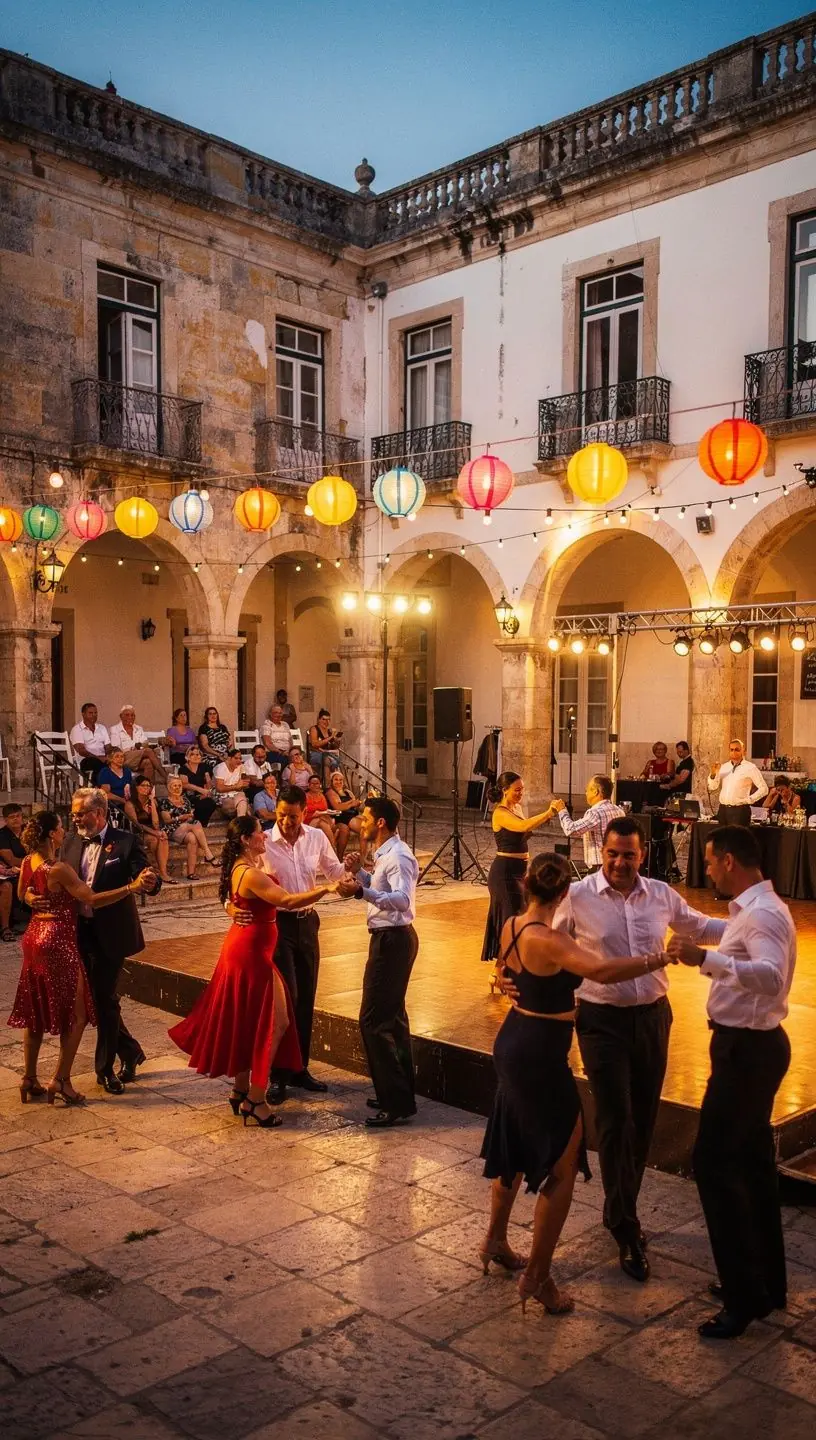
Dance is a powerful form of expression, and two of the most popular Latin dance styles are Bachata and Salsa. While both styles offer vibrant movements and energetic rhythms, they have distinct techniques and cultural backgrounds. This article aims to explore the differences and similarities between Bachata and Salsa, helping you understand which style might resonate more with your dance journey.
Understanding the Basics
Bachata originated in the Dominican Republic, characterized by its romantic themes and smooth, flowing movements. According to dance historians, it evolved from various musical genres, including bolero and son. Salsa, on the other hand, has roots in Cuban music and developed further in New York City, blending influences from jazz and other styles. This cultural interplay has led to vibrant variations in Salsa, often associated with high energy and complex footwork.
"Dance is the hidden language of the soul." – Martha Graham
Key Differences in Technique
- Footwork: Bachata typically involves a side-to-side step with a distinctive hip motion on the 4th beat, creating a sensual connection. Salsa incorporates more intricate patterns, emphasizing fast footwork that often includes turns and spins.
- Body Movement: In Bachata, dancers often maintain a closer frame, allowing for a more intimate connection between partners. Salsa allows for greater distance and expressive movements, promoting dynamic interactions.
- Musicality: Bachata music tends to be slower and more melodic, which can impact how movements are executed. Salsa music is generally faster-paced, requiring quicker responses and adaptability in dance.
Learning Curve and Practice
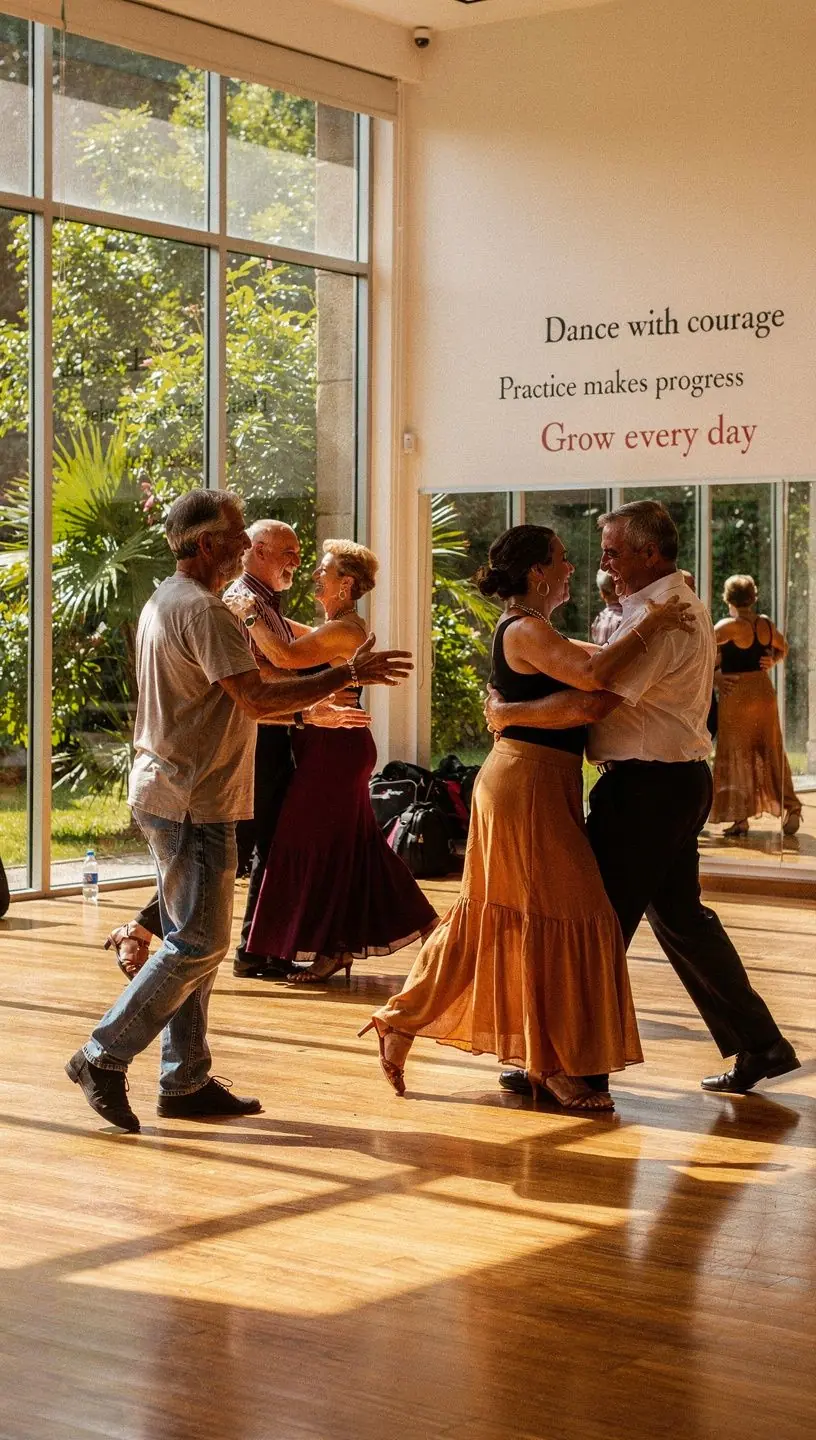
Both Bachata and Salsa require practice to master their specific techniques. Typically, it may take several weeks of consistent practice to feel comfortable with basic steps, while achieving a higher level of proficiency could take months. Experts recommend regular attendance at classes and social dance events to hone your skills. This works because immersion in a community allows for real-time feedback and learning from others.
Choosing the Right Style for You
When deciding between Bachata and Salsa, consider the following:
- What attracts you more: the romantic essence of Bachata or the energetic vibe of Salsa?
- Are you looking for a dance that focuses on close partner connection or one that allows for more individual expression?
- Do you prefer slower music that emphasizes connection or faster rhythms that highlight flair and footwork?
Conclusion
Both Bachata and Salsa offer unique experiences that can enrich your dance journey. Understanding the differences in technique, body movement, and musicality can help you make an informed choice about which style to pursue. Remember, the best way to find out what resonates with you is to try both styles, attend meetups, and immerse yourself in the dance community. Each style has its charm and can provide social connections and personal growth as you delve deeper into the world of Latin dance.
Learn More